How Care18 Plays Out in Practice
Three scenarios in very different settings — a multi-speciality hospital, a diagnostic centre and a clinic chain — working through challenge, approach and outcome. The module choices vary; the pattern does not.
- Illustrative sample scenarios
- Setting → challenge → approach → outcome
- Modules named for each setting

Illustrative scenarios. The scenarios below are illustrative examples of how Care18 is typically applied — they are not customer testimonials.
Scenario 01
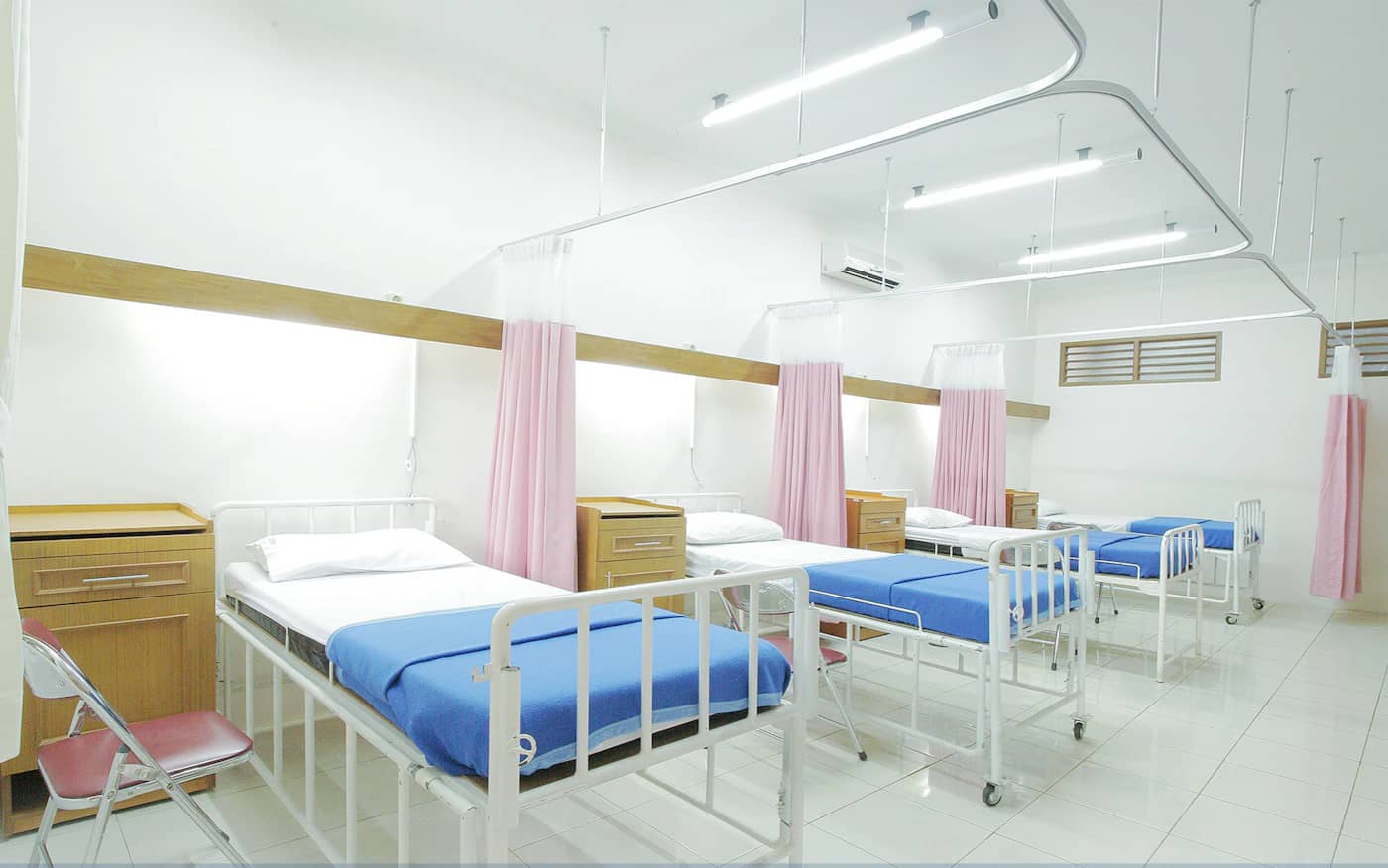
Connecting OPD to Billing in a 120-Bed Multi-Speciality Hospital
- Setting
- A 120-bed multi-speciality hospital running outpatient clinics across several departments, along with a 24-hour emergency and an inpatient wing. Registration, consultation, diagnostics and billing each kept their own records.
- Challenge
- A patient's visit passed through several teams, each re-entering the same details. Charges raised in one department were reconciled manually against another department's list at the end of the day, so disputes surfaced late and the front office spent its evenings chasing gaps.
- Approach
- The hospital first connected OPD Management and Appointment Management to a shared patient record, then linked consultation, pharmacy, laboratory and diagnostics to Billing so charges are captured at the point of service. Counter and nursing staff were involved in designing token flow and the discharge summary.
- Outcome
- Charges now follow the patient's visit rather than a departmental list, and the front office can see unbilled services while the patient is still on site. Reconciliation moved from an evening exercise to a continuous check, and disputes are resolved with the full visit record in front of everyone.
Scenario 02
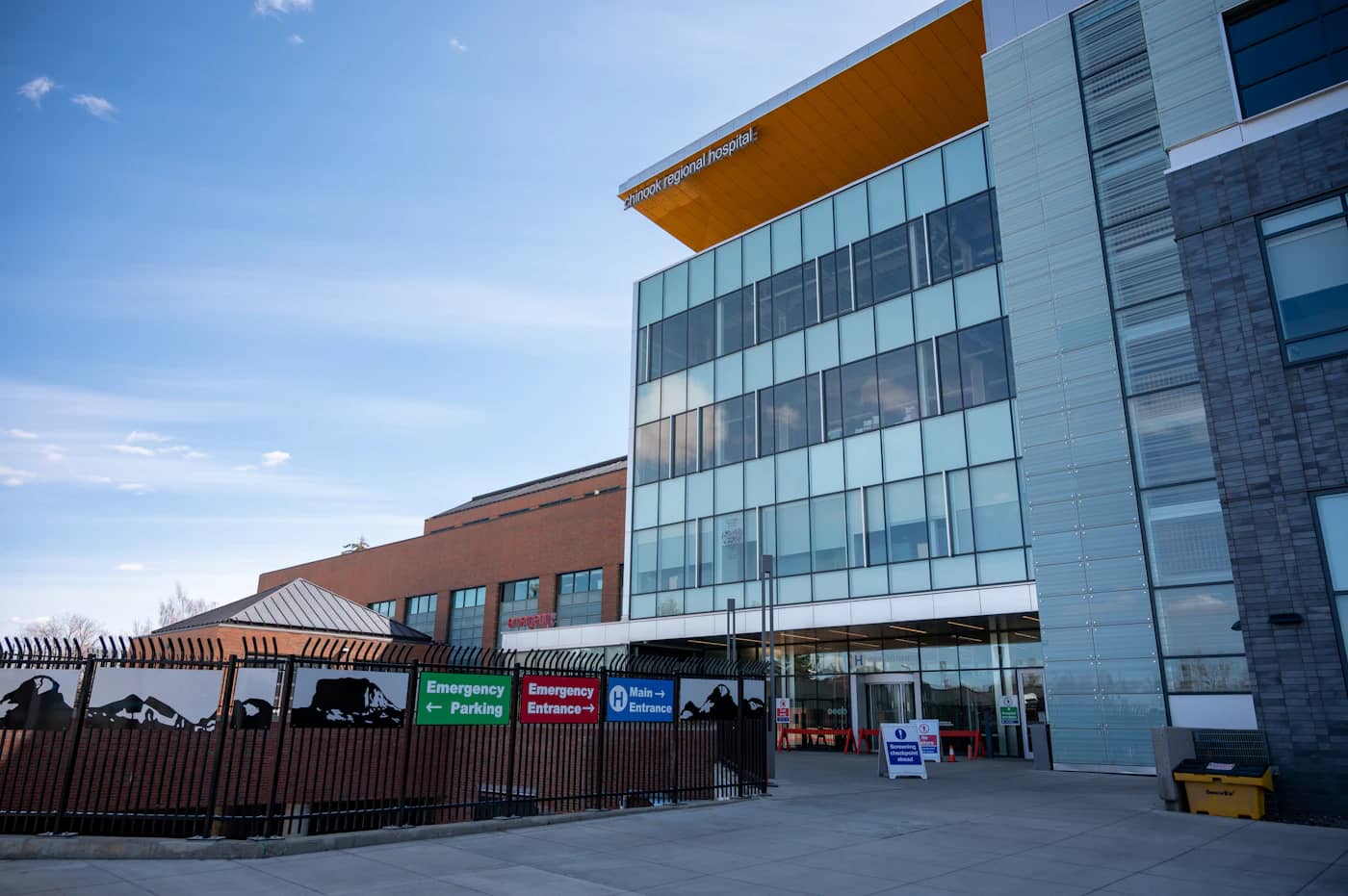
Faster Report Turnaround in a Diagnostic Centre
- Setting
- A busy diagnostic centre offering pathology and imaging, with samples arriving both from its own collection points and from visiting patients. Reports were produced in the laboratory application while sample status was tracked on paper.
- Challenge
- Nobody could say where a sample was without asking the laboratory. Samples waited unnoticed between collection and analysis, identities were re-checked by hand before every report was released, and status enquiries kept pulling bench staff away from the work itself.
- Approach
- The centre deployed Laboratory Management with a barcode identity carried from registration, through the analyser, to the report, and integrated it with Radiology Management for imaging studies. Every handoff is scanned, so the record itself shows custody. Reporting queues surface the samples that have waited longest.
- Outcome
- Staff now answer status questions from the system rather than from the laboratory door, and identity checks happen at the point of collection. Work that used to be invisible between steps is now visible, and the centre can see precisely where turnaround time is consumed rather than guessing at it.
Scenario 03
Consolidated Reporting for a Four-Branch Clinic Chain
- Setting
- A chain of four outpatient clinics in different localities, each running its own doctor schedules, price lists and spreadsheets. Head office received monthly summary files and had no way to compare branches on the same basis.
- Challenge
- Definitions differed by branch: one counted a consultation when it was scheduled, another when it was completed, and discounting was applied locally. Consolidation meant reconciling files before analysis could even begin, and the figures arrived too late to act on.
- Approach
- The chain standardised registration, appointment and billing workflows on a single Care18 instance with branch-level access. A shared item and price catalogue keeps the four sites consistent, and Reports and Analytics draws every branch from the same definitions.
- Outcome
- Branches are now compared on agreed definitions rather than reconciled after the fact, and head office sees performance while the month is still running. Local teams keep day-to-day control, and a new branch can start from the standard configuration instead of rebuilding it from scratch.
What These Patterns Share
Different settings, different modules — but every scenario above depends on the same four operating principles.
One patient record
Each scenario starts by making every touchpoint write to the same record, so handoffs stop being transcription steps and become the system's responsibility instead.
Workflow before software
The teams redesigned token flow, sample custody and reporting definitions first; the software then enforced rules everyone had already agreed to.
Visibility at the point of work
Status appears where the work happens — at the counter, the analyser or the branch desk — instead of arriving later in a monthly file.
Staged rollout
Each organisation moved module by module, with a department owning the change, so problems surface while the change is still small enough to correct.
See Your Own Setting Worked Through
Tell us your beds, branches and specialities, and we'll map the same setting–challenge–approach structure onto your workflows in a live demo.